
Industry Challenges in Mining
Mining enterprises operate in some of the most complex industrial environments on Earth. As demand rises and margins tighten, structural challenges like fragmentation, legacy systems, and organizational silos limit the ability to act quickly and intelligently.
Book a ConsultationAdministrative Challenges
Challenge 1: Siloed Systems and Inconsistent Data Quality
Across mining organizations, data is fragmented across incompatible systems - ERP, MES, maintenance logs, environmental sensors, spreadsheets, and historian databases all operate independently.
Each department creates its own version of the truth, with different naming conventions, formats, and update cycles. When finance, maintenance, and operations teams each rely on separate data sources, performance reporting becomes slow, reconciliation becomes manual, and decision-making suffers.
The result is reduced trust in data, delayed responses to critical issues, and inefficiency that compounds at scale.
Opportunity:
A unified data architecture can eliminate these silos. AI-driven data integration automatically maps, cleans, and harmonizes information across departments - linking equipment data with production KPIs, cost centers, and maintenance events.
Metadata governance ensures every dataset is documented, discoverable, and reliable. This creates a "single source of operational truth" where teams see consistent, accurate information in real time - improving reliability by up to 80% and freeing hundreds of analyst hours each month.


Challenge 2: Manual Reporting and Lack of Real-Time Visibility
Even in large-scale mining operations, critical performance metrics - from throughput and downtime to energy use and environmental compliance - are still tracked manually. Teams spend hours compiling spreadsheets and PDFs that quickly go out of date.
By the time reports reach decision-makers, conditions have already changed. This time lag limits proactive action and creates blind spots: production anomalies are identified after losses occur, and safety trends are spotted only retrospectively.
Opportunity:
Automated data pipelines and AI-powered reporting close the feedback loop. Data from sensors, machines, and control systems can stream directly into governed dashboards that refresh in near real time.
Natural language interfaces allow managers to query live data - "Show me equipment downtime by shift this week" - without relying on IT or analysts. This shift enables leaders to act faster, allocate resources efficiently, and prevent small issues from escalating into costly disruptions.
Challenge 3: Difficulty Aligning Strategy with Field Operations
At the corporate level, strategies are clear: improve output, reduce cost, enhance safety, and advance sustainability. But in practice, those objectives often fail to reach the front line in actionable form.
KPIs designed in boardrooms may not reflect on-the-ground realities, and operational teams frequently optimize locally for what they can control - even when that diverges from corporate goals. The result is a costly disconnect: well-intentioned but misaligned initiatives, duplicated efforts, and uneven performance between sites.
Opportunity:
AI acts as the connective tissue between planning and execution. Predictive and prescriptive analytics transform high-level goals into dynamic, field-level guidance.
For instance, production forecasts can automatically adjust shift schedules or fleet allocation in response to changing ore grades or energy prices. Digital twin simulations enable leadership to test "what-if" scenarios - assessing the downstream impact of a change before implementation.

Operational Challenges
Challenge 1: Failure to Predict Equipment Breakdowns
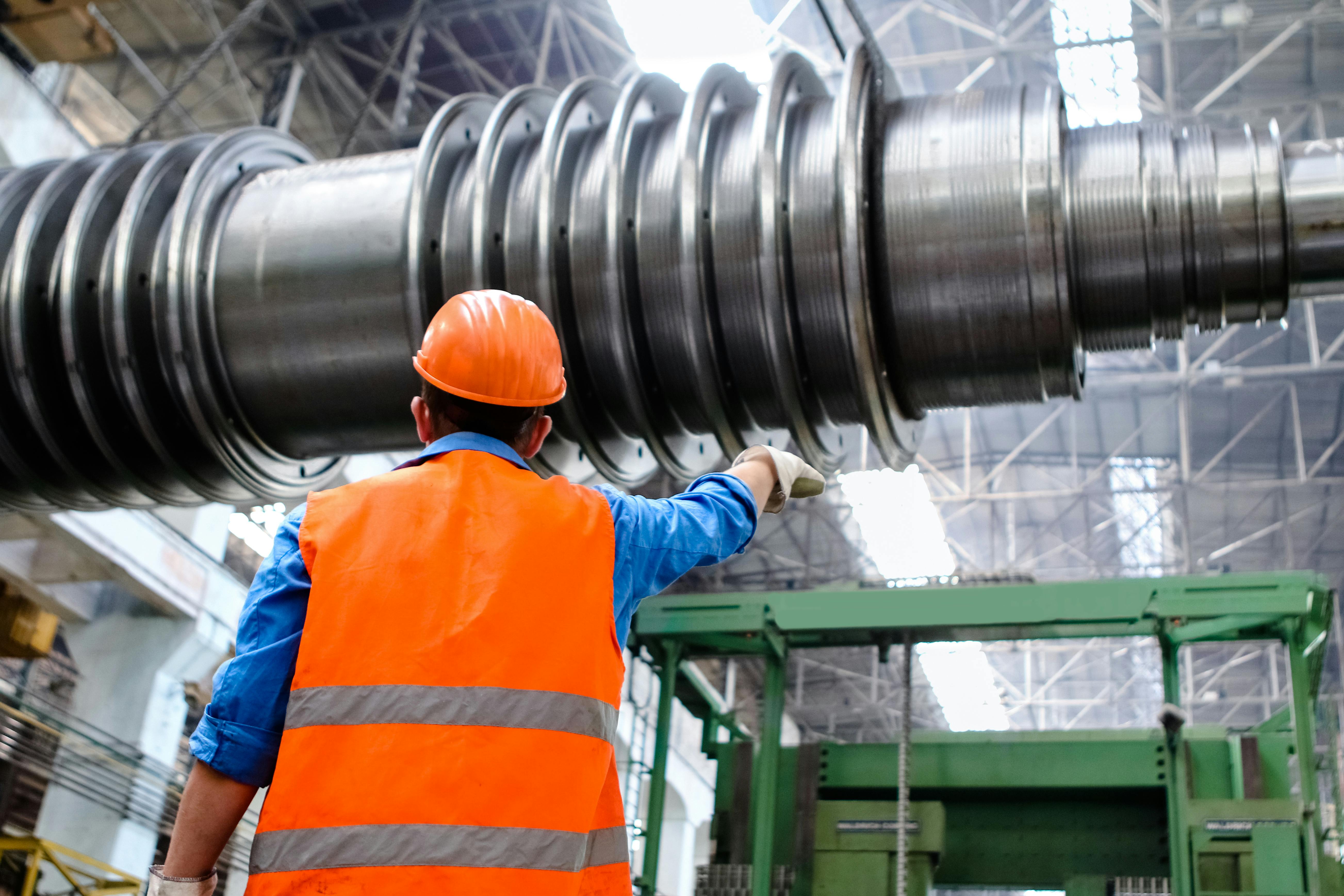
Unexpected equipment failure is one of the most expensive operational risks in mining. A single unplanned shutdown can halt production, cause supply chain ripple effects, and cost millions in lost output.
While telematics and maintenance logs capture valuable data, they're often underutilized or siloed. Maintenance teams rely on scheduled routines instead of condition-based insights - replacing components too late (leading to breakdowns) or too early (wasting resources).
Opportunity:
Predictive maintenance systems powered by AI and machine learning transform maintenance from reactive to proactive. By continuously analyzing vibration, temperature, pressure, and oil sample data, algorithms detect subtle deviations that signal early-stage failures.
The result: up to 30% less unplanned downtime, extended component lifespan, and a reduction in maintenance costs of 10–15%. When combined with automated work order generation and inventory integration, reliability becomes measurable and consistent across sites.
Challenge 2: High Dependency on Individual Expertise
For decades, mining operations have relied heavily on human intuition - experienced operators who "just know" when a plant is running off balance or when a haul truck sounds wrong. But as these experts retire, their deep operational knowledge often leaves with them.
Newer workers are digitally literate but lack the lived experience to interpret subtle signals or diagnose root causes. This dependency on tacit knowledge creates fragility: performance can vary drastically depending on who's on shift.
Opportunity:
AI-driven knowledge systems preserve and amplify institutional expertise. Using natural language processing and knowledge graphs, these systems capture expert insights - from maintenance notes to sensor patterns - and make them accessible as real-time recommendations or AI copilots.
An operator can ask, "What does this pressure trend mean?" and receive an answer contextualized by past events, equipment type, and conditions. This closes the gap between human judgment and data-driven insight.

Challenge 3: Inefficient Maintenance Scheduling and Data Overload
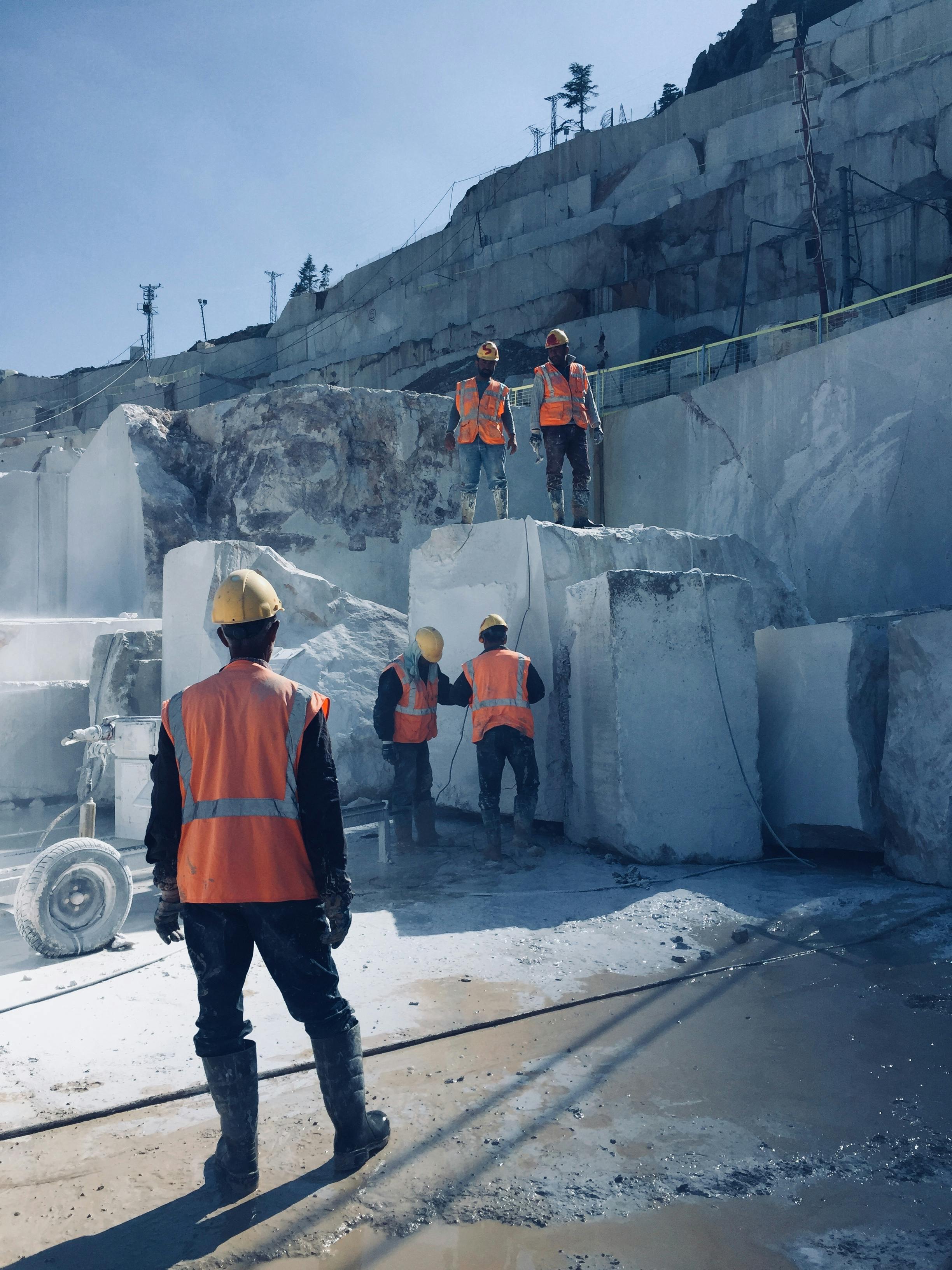
Supervisors and planners often face overwhelming volumes of telemetry, inspection data, and work orders. Without automation, maintenance schedules are based on guesswork or static intervals rather than actual asset condition.
This leads to cascading inefficiencies: overlapping tasks, underutilized labor, and wasted spare parts. Compounding the problem, alerts from sensors, control systems, and reports flood dashboards with noise, making it difficult to focus on what truly matters.
Opportunity:
AI orchestration tools transform maintenance planning into an intelligent, adaptive process. By combining condition-based monitoring, work history, and parts availability, these systems automatically prioritize and sequence maintenance tasks for maximum impact.
The outcome: 15–20% improvement in asset utilization and a more predictable, stable maintenance cycle. Machine learning models identify patterns that indicate where time or materials are being wasted.
Turn challenges into competitive advantage
Schedule a call with our mining specialists to explore how AI and data integration can transform operational challenges into measurable improvements.
Book a Consultation